From—where else?—the New York Times bestseller lists.
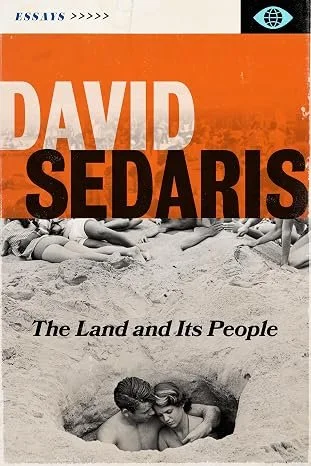
The Land and Its People David Sedaris (2026) The 28 essays in this latest collection from David Sedaris, his sixteenth, are products of the craft he’s been honing for decades, so they’re tip-top. The theme in this volume tends to be friendship, with stories about people Sedaris knew in his younger days, about his siblings, and about people he’s met while traveling (on lecture tours or on vacation). I had read several of the essays in the magazines where they were previously published, but that didn’t diminish my enjoyment of them—it allowed me to notice more details. As usual, Sedaris is clever, witty, insightful, and sometimes vulgar. For a more complete assessment of his talents, see my lengthy review here. One sentence from that review: “Sedaris blurs the line between fiction and nonfiction, taking scenes from real life, amplifying them, and surrounding them with extraordinary contextualizations.”
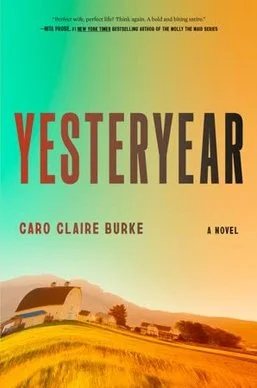
Yesteryear Caro Claire Burke (2026) The satire is over-the-top in this highly addictive debut novel. First-person narrator Natalie Heller Mills is a wealthy tradwife social media influencer with millions of followers. “Yesteryear” is the name of the Idaho farm where she and her cowboy-adjacent husband raise a passel of kids who drink raw milk. Although Natalie couches her story in the godly language of her evangelical upbringing, her narcissism and cattiness are quite apparent. And although she appears online to be managing her household and her sourdough bread and her posts all on her own, the farm actually has a large hidden crew of workers. Then one day Natalie wakes up to find herself in a hardscrabble life on a mid-19th-century homestead, with a husband and family sort of like—but not quite the same as—her 21st-century husband and family. I kept reading for hours to find out what was going on. Was it time travel or a bad dream or a reality television show or revenge of the universe for Natalie’s exploitations? Novelist Burke searingly lampoons MAGA supporters without ever calling them that, but she also spoofs East Coast elites (at Harvard, no less) with exaggerated portrayals. The action moves along quickly, and the ending is a zinger, in this highly recommended read.