

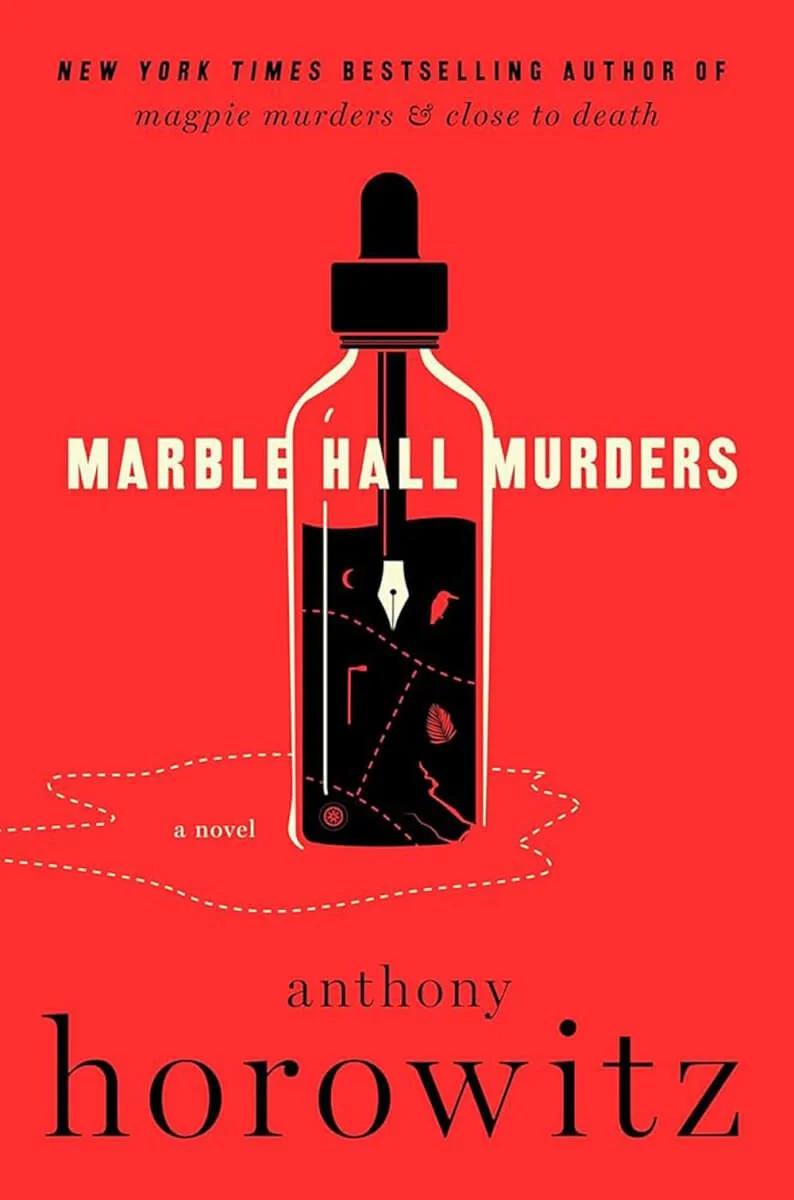
Marble Hall Murders Anthony Horowitz (2025) Author Horowitz can really churn out the devilishly complicated metafictional mysteries! This one is closely linked to two of his previous mysteries, Magpie Murders and Moonflower Murders, that also starred the character Susan Ryeland. You’ll be able to follow the plot of Marble Hall Murders more easily if you first read those previous books. (See my full review of Magpie Murders here.) In Marble Hall Murders, Susan, now a freelance book editor in London, is engaged by a publishing firm to work with Eliot Crace, an heir of a wealthy literary family. Eliot is writing a continuation novel, following up on a popular mystery series by a fictional author who died in Magpie Murders. Chunks of Eliot’s mystery story are inserted into the story of the interaction of Susan and Eliot, who are, of course, fictional characters themselves. The layers of narrative are so complex that I read this 579-page book in two days so that I could remember all the plot connections. The writing in a Horowitz mystery is clever and flowing and sophisticated. At the end of each book, I always marvel at how all the pieces fit together. This title is a must-read for all mystery fans. And don’t miss the excellent screen adaptations of Magpie Murders and Moonflower Murders starring Lesley Manville, on PBS. (My reviews of other Horowitz mysteries are here and here and here.)
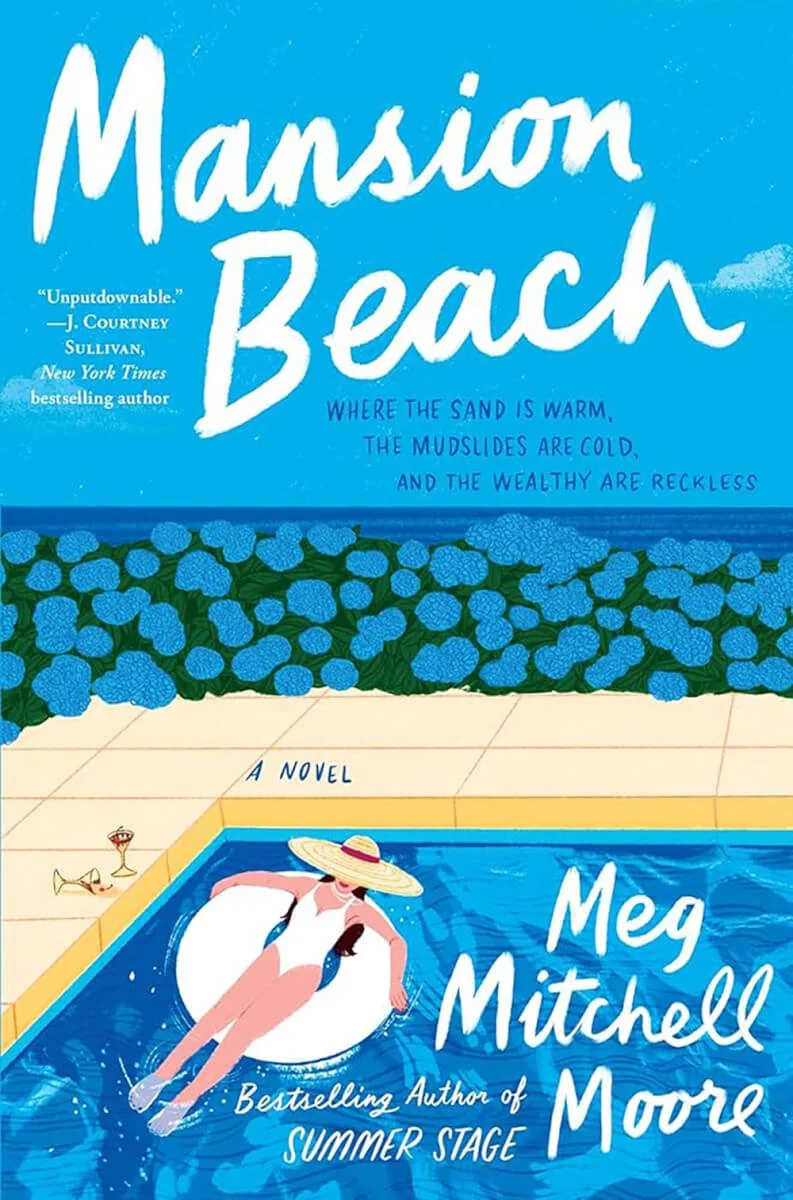
Mansion Beach Meg Mitchell Moore (2025) The vibe here is definitely “Beach Read” or “Chick Lit,” but an underlying mystery kept me turning the pages. On Block Island, a resort spot off the coast of Rhode Island, someone has drowned, and the identity of the victim is not revealed until very late in the narrative. Main characters: Nicola (young woman who’s left her boyfriend and her law practice for a summer internship on the island); Juliana (tech entrepreneur on the brink of mega-wealth); and Taylor (old-money wife of Nicola’s cousin David). There’s a lot of not-so-subtle poking of the ultra-wealthy and of men who use and then discard women. As the novelist writes (page 306), “It’s a story of money, yes . . . new money, and old money, wealth and class, and the difference between the two. It’s a love story too, of course, which means it’s also a tragedy, which many love stories are.”