


The Frozen River Ariel Lawhon (2023) In 1789 Maine, midwife and healer Martha Ballard is summoned to examine the body of a man pulled from the frozen Kennebec River. How did he die? How does his death touch her own large family? And how does it relate to Ballard’s recent report to authorities of the rape of one of her clients? This book can be read primarily as a murder mystery, with the culprit not revealed until the very end. But it’s also a fictionalized account of six months in the life of Midwife Ballard, a historical figure who left a daily diary that covered decades. Ballard’s surviving writings provided the novelist a valuable glimpse into life in colonial America, particularly with respect to the perils of childbirth and the place of women in that society. Although I found the tirades against the patriarchy by the fictional Ballard occasionally anachronistic, her principled stance against injustice is inspiring. She lived only a century after the Salem witch trials, so her profession was not without risk. And don’t miss the very minor side-plot in which Paul Revere rides to the rescue!
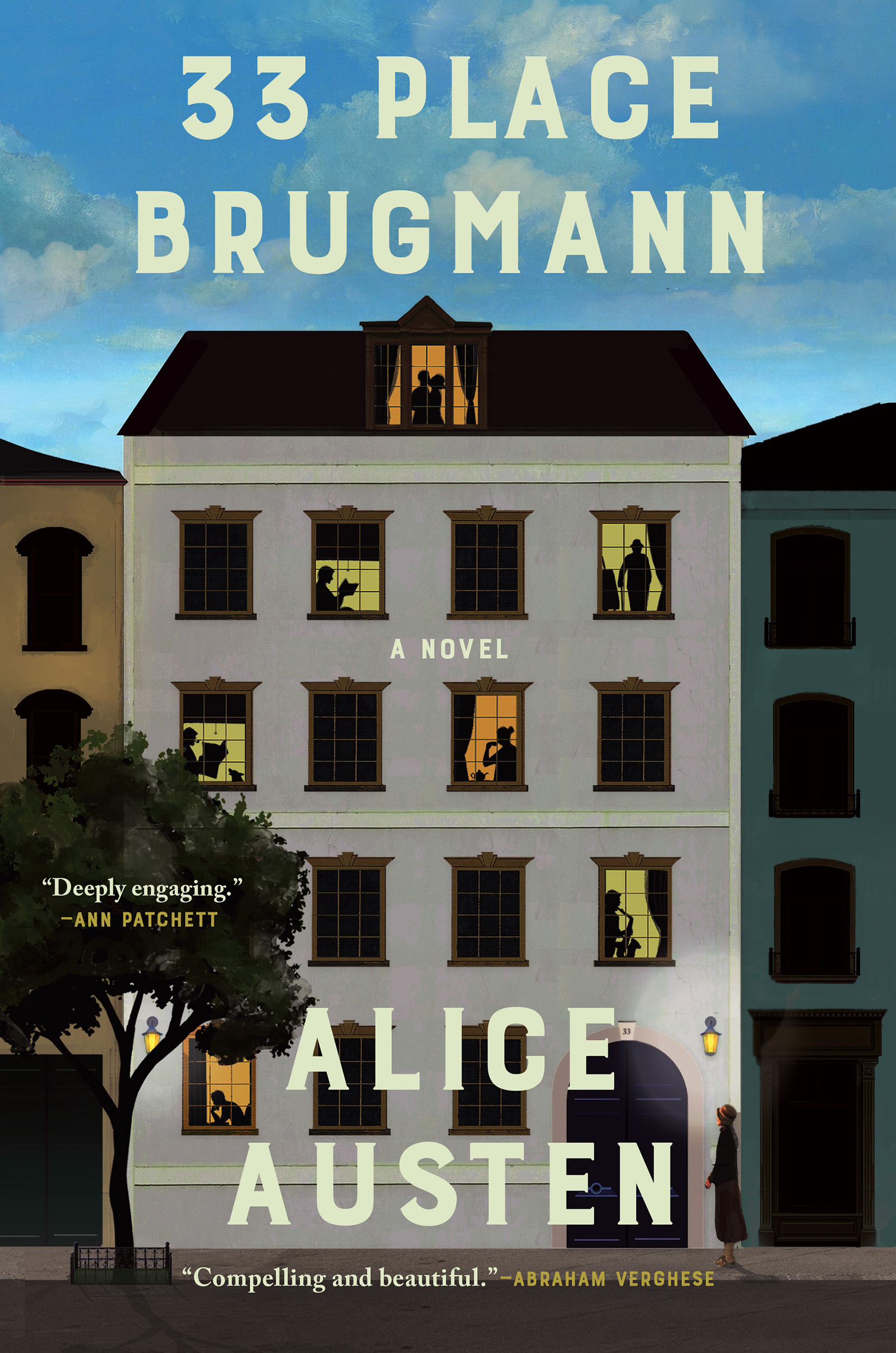
33 Place Brugmann Alice Austen (2025) In the small apartment building at 33 Place Brugmann, in 1939 Brussels, the lives of fourteen inhabitants interlock with each other. Their placid upper-middle class existence changes radically when the occupying Nazis arrive in May of 1940. Pay attention to the small details in the early chapters of this smart novel, because many of those bits play out later, as the characters struggle for survival under an authoritarian regime rife with corruption and brutality. Some of the beautifully drawn characters will prove to be truly selfless and heroic. But which ones? The author actually lived at this address in Brussels for several years, so her descriptions are vivid and convincing. I found that some elements of 33 Place Brugmann reminded me of Amor Towles’ A Gentleman in Moscow, reviewed here.