

From Daniel Defoe’s novel Robinson Crusoe (1719) to the movie The Martian (2015), tales of survival against all odds have long fascinated me.
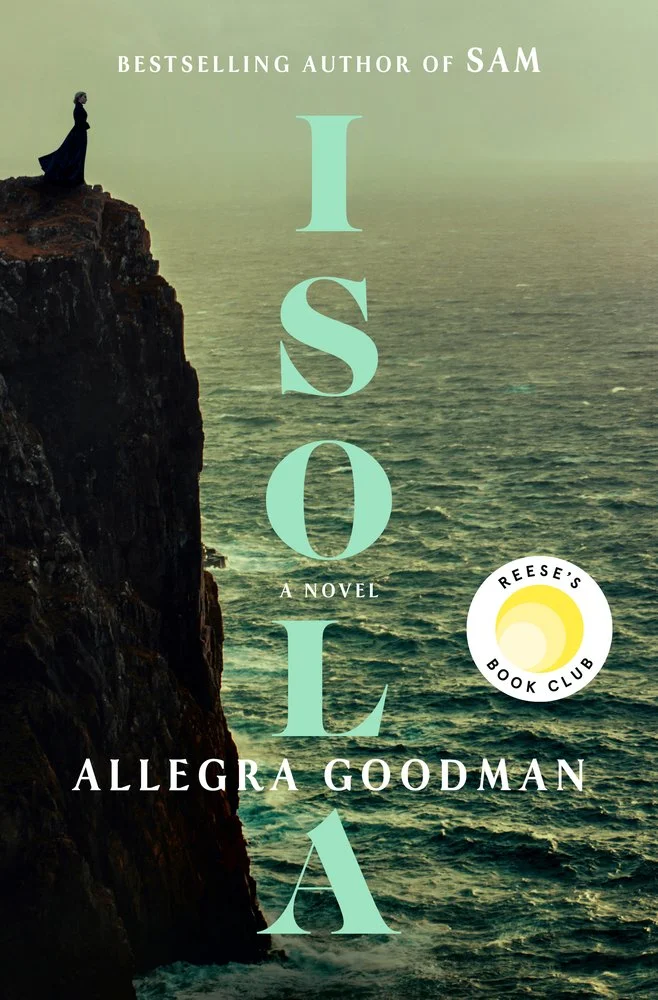
Isola Allegra Goodman (2025) Allegra Goodman’s Isola provides a new twist on the survival trope, with the character of Marguerite de la Rocque, who is abandoned on a rocky island in the Gulf of St Lawrence in the sixteenth century. (“Isola” means “island” in Italian and can also be interpreted as “I sola,” or “I, alone.”) The novel is a fictionalized first-person account of the historical Marguerite, an orphaned French noblewoman who travels with her guardian on a ship bound for a remote and dangerous colony in Canada. The guardian, angered when Marguerite falls in love with a subordinate of his, devises a cruel punishment. The narrative lead-up to the voyage is slow but necessary to a full understanding of Marguerite’s developing strength of will and of her guardian’s personality and motives. The chapters in which the novelist describes Marguerite’s two years on the island will carry you away to a wild and unforgiving terrain.
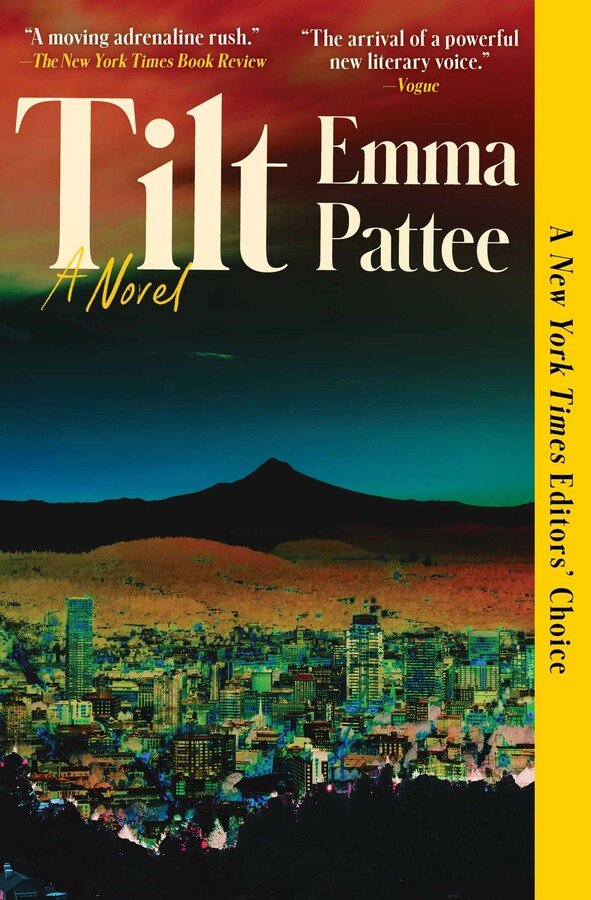
Tilt Emma Pattee (2025) When the present-day Pacific Northwest is hit by a massive earthquake, Annie is inside the Portland, Oregon, IKEA store, shopping for a crib, because her baby is due in three weeks. Somehow, Annie has to get out of the store and walk miles through scenes of massive destruction to try to find her husband and get to their apartment. Longtime readers of this blog know that I review very few novels about apocalyptic events, but I stuck with this one because the story propelled me from page to page. Annie meets people who are incredibly kind and people who are incredibly cruel, and she stays brave as she tries to find water and food and information. She talks to her unborn child (whom she calls “Bean”) and recalls past events of her life with Dom, her husband. I read Tilt in one sitting and recommend it—if you can handle the apocalypse.