

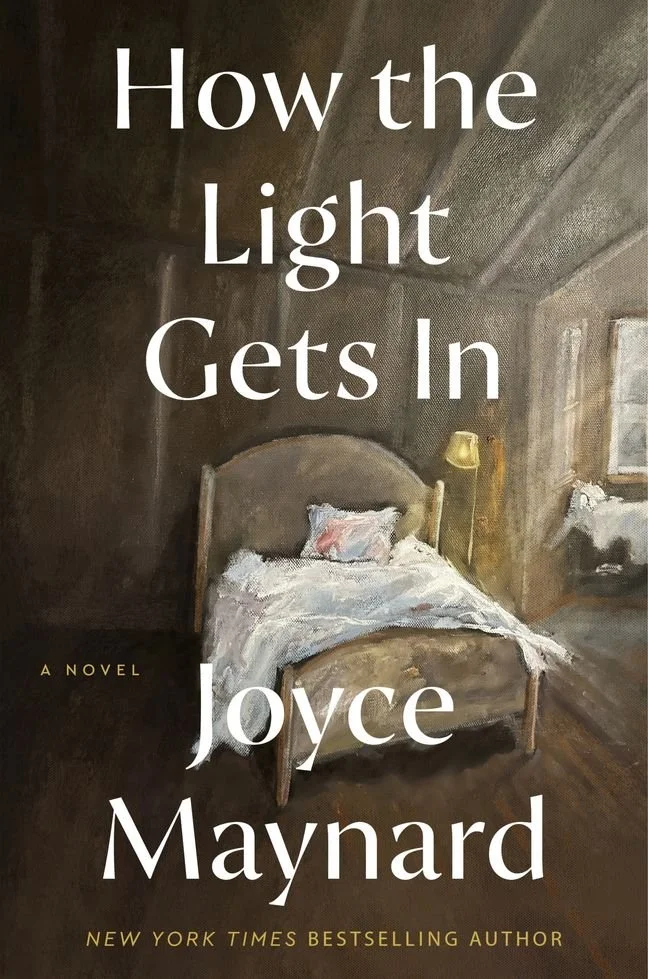
How the Light Gets In Joyce Maynard (2024) This novel is a sequel to Maynard’s 2021 Count the Ways, and it helps to know the basics of that plot. In Count the Ways, the many sad and shocking events that punctuate Eleanor’s life are traced from her childhood, in the 1950s and 1960s, into the 2000s. Eleanor balances her career as an artist and children’s book author with her role as wife to her woodworker husband, Cam, and as mother to their three children. In How the Light Gets In, Maynard follows Eleanor from her late 50s into her 70s, with many flashbacks to events of previous decades. Family interactions are always complicated, and the three generations of Eleanor’s family have more than their fair share of struggle and misfortune, including estrangement between parent and child, terminal illness, career failure (and success), disability, gender dysphoria, and a long-distance affair. All this takes place against the backdrop of the tumultuous American political scene of the years 2009 to 2024. I found some of the subplots, especially that long-distance affair, farfetched, but I loved the characters so much that I gave the novelist a pass. If you delight in reading about the everyday lives of people doing their best within their imperfect families, Maynard’s work will please you. Incidentally, the light gets in through the cracks.
Truly Madly Guilty Liane Moriarty (2016) I could not get my head around Moriarty’s 2014 bestseller, Big Little Lies, but I thought I’d try this subsequent novel of hers. In Truly Madly Guilty, Moriarty takes us inside three upper-middle-class marriages and inside the heads of the six adults at a friendly backyard barbecue that goes horribly awry. (The setting is Sydney, Australia, where the inhabitants are really partial to barbecues, but it could be any industrialized country.) For more than 200 pages, I read with infuriating impatience, as the “incident” at this barbecue is revealed ever so slowly in brief flashbacks. But after the reveal, the tale is livelier. All the characters have to come to grips with their feelings of guilt and with the way that this guilt affects their personal relationships. The dialogue is realistic, as are the well-drawn characters. I especially loved Oliver, the sensible, nerdy accountant, and Dakota, the bright, bookish ten-year-old daughter of one of the couples. Maybe the wrap-up of the plot is a little too pat, but it worked for me.
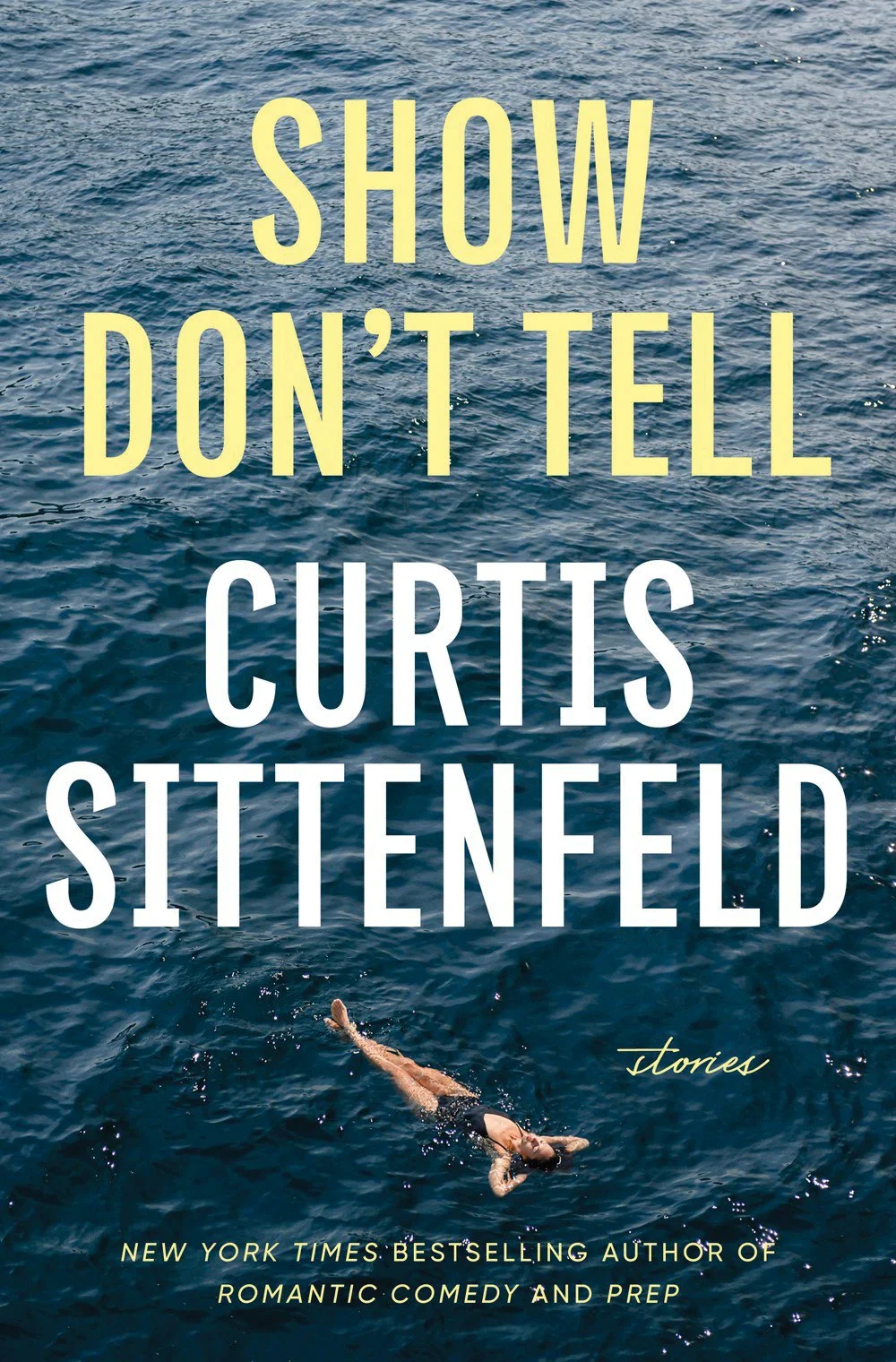
Show Don’t Tell Curtis Sittenfeld (2025) I’ve read and reviewed most of Sittenfeld’s work (click here), and I’ve rarely been disappointed. She portrays 21st-century life candidly, especially in the way that she uncovers the emotions of women—as wives, mothers, sisters, friends, lovers, students, businesspeople, professionals, artists. In this latest collection of short stories, Sittenfeld does not veer away from her raucous, funny approach to fiction, so expect explicit sex and cringey toilet scenes. But don’t expect tidy endings. Many of the stories present the characters at decision points in their lives, and the reader doesn’t always find out what the decision is. I noted also the author’s fascination with the way in which wealthy and famous Americans handle their wealth and fame, including thinly disguised portraits of living billionaires.


